
How Did We Get Here
It started simple enough. I was using an HP Z440 workstation as a Network Attached Storage. Originally, it was my whole home server, housing my VPN, Home Assistant and storage. I then offloaded all but the storage onto a mini-pc. The plan was to move the NAS as well, to something more power efficient.
The workstation originally came with a E5 1650 Xeon on an LGA2011 socket. A 6 core/12 thread processor and 16 GB of DDR4 ECC memory. Upgrades were made to the processor and memory. An E5 2667 with 48GB of memory made it a very effective server, but a bit of a power hog. The goal was to move to something smaller but a case that would fit at least four full sized HDDs. That hadn’t happened yet by the time it gave up.
As it worked out, I had been working on a test NAS, more as an experiment as a replacement, but an hour later and I was back in business. As it turns out TrueNas is very flexible when it comes to hardware and I was able to use the same boot drive. It was a very effective solution. Maybe, too effective.
Not My First Rodeo
It was actually the second time around for this type of set up. A solid 4th Generation Intel, i5 4670 full of DDR4 was the predecessor to the Z440. As I started adding more tools, I opted for the more powerful machine, that is until I thought that a single point of failure could take out all of my services. I opted to split my jobs up on different PCs more tailored to size and capability. Things like Home Assistant and Jellyfin on one one server, NAS on another.
When I swapped a working NAS for the failed Z440, I thought that was the last of it. Then my Buddy Gus needed needed a server for his project. I had the bright idea to swap in the known working set up to a new case and I would swap a working Xeon from the same generation. It would have been a great idea if it had worked. It didn’t. In fact, it wouldn’t post.
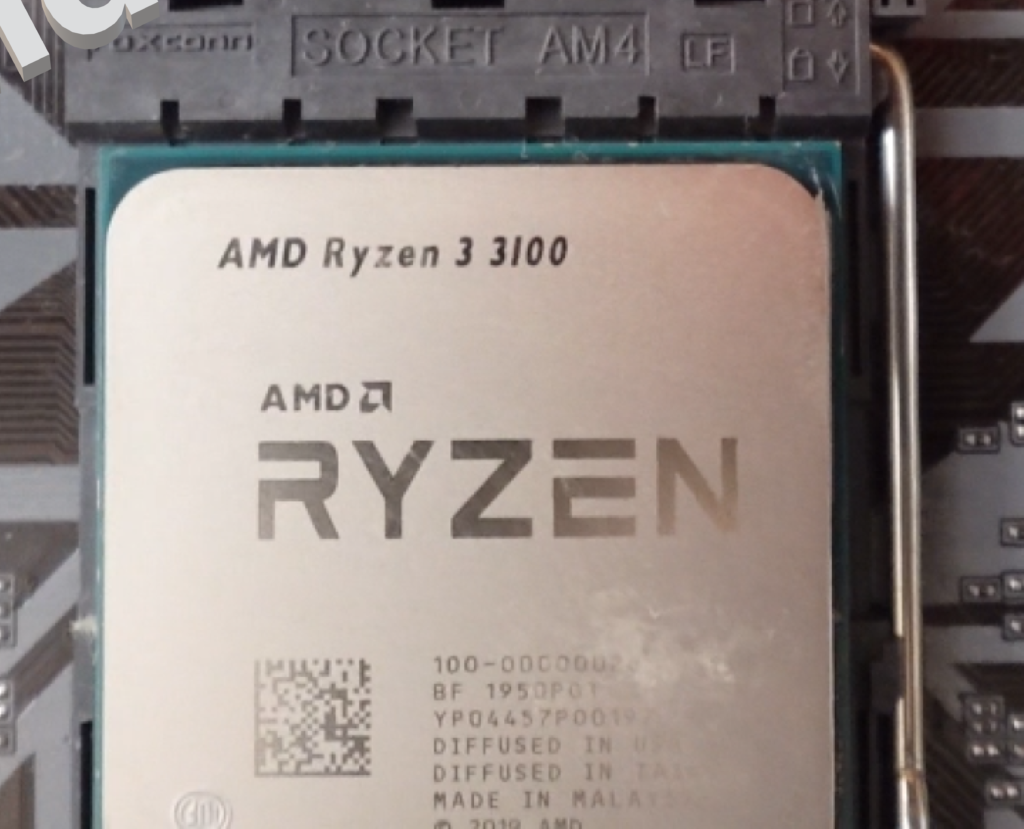
A moment of slight panic happened, but I pushed that platform aside and opted for a gaming PC I was testing. Enter the Ryzen 3 3100. After a swap of the platform, and a few tense moments, we got a post, and it actually came up fine.
So, that’s it?
Having recently tested it, I knew the platform was solid and ready to use. Find the video here. I did also manage to write about it here if you are interested. In short, its a solid four core, eight thread processor that in many cases is on par with more recent CPUs. It won’t win any contests with more advanced chips, but this is actually a firm use case.
It wasn’t my first choice, but at the time, I thought I was out of options and had to make a decision. I have since been able to go back and resolve not only the issue with the known working Xeon, but the Z440 I was originally using. One was definitely my fault. I was in a hurry, and was careless. The other ended up being an issue with a Quadro video card. It could have been much worse.
The question then becomes, do I leave it like that. For now? Yes. It’s running and I’ve had enough playing with it. I may still opt for the fourth gen as a NAS and use the Ryzen as a budget gamer, but I’m going to need a moment to get over the chaos I caused before I do that.
The moral of the story is: something that breaks might not actually be broke. I used to say “it ain’t broke unless I can’t fix it”, and I may have to consider picking the phrase back up again. It truly ended up being something I had no business getting into.